Well, for months now I have been dreaming of starting a few beds in my garden that would simulate a riparian environment…something between a stream-side, and a boggy corner of a freshwater wetland. So, today, I finally had enough time and all the necessary items to put such an experiment together! Would you let me nerd out on plants for a second?
If yes, thank you!!!
ok here’s what I did:
My Inspiration:
 I got the idea for a boggy wetland bed when I was transplanting a dozen or so plants at the end of the summer harvest. I set some plants aside, perched in a wash basin full of water until I could find the right place for them in the garden. Well, I sort of got distracted…for a week!…and came back to find most of the random transplants had died, but not these Yellow Docks! They were THRIVING in just a few inches of water and the dying bodies of the other plants I’d neglected in the basin. “Wow! With such little soil medium” I thought, “I could just pop this Yellow Dock out of the basin and practically have a clean root ready to process”!
I was also inspired by this system of growing a rare Sf Bay/Delta salt marsh grass that’s being propagated by the Watershed Nursery in Richmond check it out!:
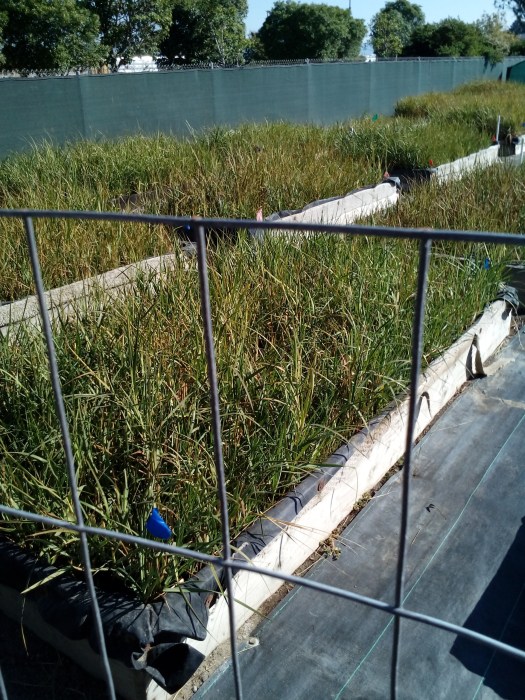
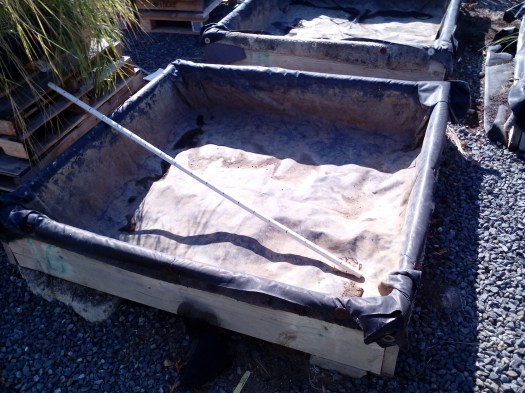
I am totally going to make a system like this at my future collective dyke farm/nursery. Every 6-8 months the Watershed harvests 80% of a crop, and leave 20% to repopulate the mock marsh beds and do it all over again.
You might think it’s weird to start a riparian bed in a garden that has no water source, and has been designed with drought tolerance before all else. I don’t think it’s weird at all. The hardest part of growing herbs, California native plants, and food crops is that they all need good drainage, and most need a lot of water, which equates to: most of my water washing down though the soil rather quickly. So, I think these bog beds, which do not drain, will require more initial water, but less over time. And, the plants will draw the water out of the barrel as they grow bigger, which will empty the barrel of water, and keep the water from becoming anaerobic (aka devoid of oxygen). That’s what they do with the salt marsh grass at the Watershed Nursery!!!
2.The Plants!

So, I spent a few weeks at work buying up some plants with my extra hours and pinching a little root or two from our usual propagation schedule, which I sort of was able to guide towards riparian medicinal plants ;). Here are some lovely plants: California Evening Primrose, Dog Violet, Wild Stream Orchid, Lobelia, and Yerba Mansa, They are sitting in a big 55 gallon plastic drum that I sawed in half and filled about 4 inches full of water. Honestly, They would be happy enough in this environment alone. But I wanted to get some soil in there, as water alone would need applications of a water soluble fertilizer over time.
3. A good Home!
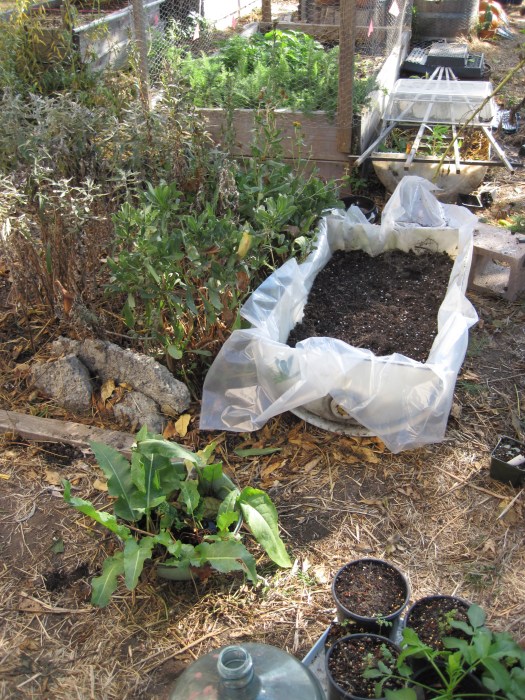
I parked these beds in a fairly sunny place. This bed is tucked into some grindelia, which you would find in fresh and salt water edges, so it’s kind of a happy little union! I filled the barrels with layers of soil, then straw, and soil, and straw.
4. The kids are all tucked in!!
Heres a bed with the primrose on the left, and the Yerba Mansa on the right. They are just little babies ❤
5.Bonus Science Play!
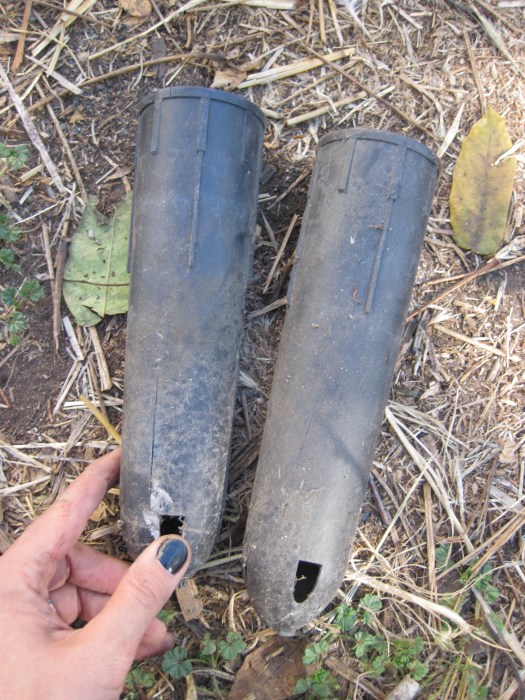
I also added these tree containers. They are called D40’s in the biz. I dug these down to the bottom of the Barrels and set them upright, without any soil or anything inside of them at all…that way, I can look down into them and see where the water level is in the barrel below the surface of the soil.
6: Yay!!!

All done! this is my Epipactus Bed (Stream Orchid). You can only see a couple little leaves coming out, but the bed is filled with root divisions I gleaned from a project at Oaktown. I’m so Excited! Yerba Mansa, and Epipactus, are super hard to find in the wild, and a lot of their native habitats are threatened or contaminated by pollutants running downstream. Now I can offer some really special medicines in my own home and not have to go harm any wild stands <3. You can see there in the frame a baby Blue Elderberry, and some half dead California roses I’m rehabbing.
Thanks for letting me nerd out! Try it at home!…or I guess…just throw the right plants in a bucket water and sit back and watch the grass grow! It’d probably be easier then all this elaborate-ness!
-Nicole





 Witchcraft Apothecary